

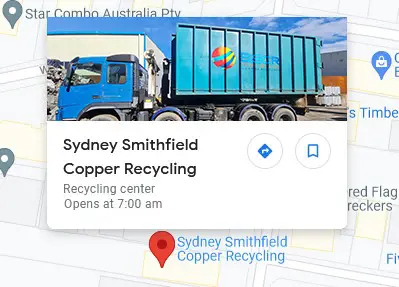
WEIGHBRIDGE ONSITE 84 Percival Road Smithfield NSW 2164

public

Кращі бонуси та акції в GOXBET Казино: що чекати у 2026 році


У 2026 році казино GOXBET пропонує численні бонуси та акції для українських гравців, що робить його одним з найпривабливіших онлайн-казино на ринку. З величезною кількістю ігор, швидкими виплатами та щедрими акціями, гоксбет 46 продовжує зберігати лідерство серед онлайн-казино. Ця стаття розгляне найкращі бонуси і акції, а також надасть корисну інформацію для нових гравців.

Що важливо знати перед створенням облікового запису

Перед тим, як зареєструватись у казино GOXBET, важливо зрозуміти, які переваги та можливості воно пропонує. Зареєструватись легко, а доступність величезної кількості ігор, включаючи слоти, настільні ігри та живе казино, робить цей процес ще більш привабливим. Зокрема, варто звернути увагу на наявність бонусів і акцій, які можуть значно підвищити шанси на виграш. Також важливо враховувати умови виведення коштів, щоб уникнути неприємностей у майбутньому.

Окрім цього, ви зможете скористатись цілодобовою підтримкою, що завжди готова допомогти з будь-якими питаннями, що стосуються ігор або бонусів. Це важливий аспект, який підвищує рівень довіри до казино.

Як почати грати в GOXBET Казино

Щоб почати свою подорож у світі азартних ігор в GOXBET, виконайте кілька простих кроків:

  1. Створіть обліковий запис: Відвідайте сайт казино і заповніть реєстраційну форму.
  2. Підтвердження вашої інформації: Запевніться, що ваші дані коректні, щоб уникнути проблем під час виведення коштів.
  3. Внесіть депозит: Мінімальний депозит становить лише 50 гривень, що робить казино доступним для всіх.
  4. Виберіть гру: Виберіть з понад 6000 ігор, доступних на платформі.
  5. Почніть грати: Запустіть гру та насолоджуйтесь процесом!
  • Легкий процес реєстрації без зайвих складнощів
  • Можливість грати на реальні гроші вже з невеликого депозиту
  • Широкий вибір ігор підходить для всіх типів гравців

Практичні деталі для GOXBET Казино

Казино GOXBET пропонує унікальний досвід для гравців, включаючи різноманітні слоти та настільні ігри. Бонуси і акції, які доступні, включають 200% на перший депозит і 50 безкоштовних обертань при реєстрації. Це дозволяє новим гравцям відчути задоволення від гри, не ризикуючи великими сумами своїх грошей. Важливо також зазначити, що казино швидко обробляє запити на виведення коштів, що може зайняти всього 10-15 хвилин у звичайних ситуаціях.

  • Багато варіантів для азартних ігор, включаючи живе казино
  • Прозорі умови виведення коштів, до 100,000 гривень на день
  • Регулярні турніри і спеціальні акції для активних гравців

У казино GOXBET також реалізовані програми лояльності, які дозволяють гравцям отримувати додаткові бонуси з кожною ставкою. Це підвищує шанс на виграш для гравців, які регулярно відвідують платформу.

Основні переваги GOXBET Казино

Казино GOXBET пропонує безліч переваг, які роблять його ідеальним вибором для українських гравців.

  • Щедрі бонуси на депозити, які підвищують шанси на виграш
  • Зручний інтерфейс, адаптований для користувачів з України
  • Прямий доступ до ігор з мобільних пристроїв
  • Круглосуточна підтримка через онлайн-чат

Ці переваги роблять GOXBET привабливим вибором для гравців, які шукають надійність і якість обслуговування.

Довіра та безпека в GOXBET Казино

GOXBET Казино оперує під ліцензією Curacao eGaming, що гарантує законність та безпеку всіх операцій на платформі. Всі особисті дані гравців захищені сучасними технологіями шифрування, що запобігає їх витоку на сторонні ресурси. Казино також дотримується принципів відповідальної гри, запобігаючи залежності та забезпечуючи комфортний і безпечний ігровий процес для всіх користувачів.

Підтримка доступна 24/7, що є додатковою перевагою для гравців, які можуть отримати консультацію в будь-який момент. Це підвищує рівень довіри до казино і створює сприятливу атмосферу для гри.

Чому обрати GOXBET Казино

Оскільки ви розглядаєте можливість гри в GOXBET Казино, важливо пам’ятати про всі переваги, які воно пропонує. З щедрими бонусами, швидкими виплатами і великим вибором ігор, це казино забезпечує унікальний досвід для кожного гравця. Рівень підтримки та безпеки також є вагомими аргументами на користь цього казино.

Не втрачайте шанс випробувати удачу в GOXBET Казино у 2026 році і скористайтеся всіма перевагами, які воно має на пропозицію!
Кращі бонуси та акції в GOXBET Казино: що чекати у 2026 році


У 2026 році казино GOXBET пропонує численні бонуси та акції для українських гравців, що робить його одним з найпривабливіших онлайн-казино на ринку. З величезною кількістю ігор, швидкими виплатами та щедрими акціями, гоксбет 46 продовжує зберігати лідерство серед онлайн-казино. Ця стаття розгляне найкращі бонуси і акції, а також надасть корисну інформацію для нових гравців.

Що важливо знати перед створенням облікового запису

Перед тим, як зареєструватись у казино GOXBET, важливо зрозуміти, які переваги та можливості воно пропонує. Зареєструватись легко, а доступність величезної кількості ігор, включаючи слоти, настільні ігри та живе казино, робить цей процес ще більш привабливим. Зокрема, варто звернути увагу на наявність бонусів і акцій, які можуть значно підвищити шанси на виграш. Також важливо враховувати умови виведення коштів, щоб уникнути неприємностей у майбутньому.

Окрім цього, ви зможете скористатись цілодобовою підтримкою, що завжди готова допомогти з будь-якими питаннями, що стосуються ігор або бонусів. Це важливий аспект, який підвищує рівень довіри до казино.

Як почати грати в GOXBET Казино

Щоб почати свою подорож у світі азартних ігор в GOXBET, виконайте кілька простих кроків:

  1. Створіть обліковий запис: Відвідайте сайт казино і заповніть реєстраційну форму.
  2. Підтвердження вашої інформації: Запевніться, що ваші дані коректні, щоб уникнути проблем під час виведення коштів.
  3. Внесіть депозит: Мінімальний депозит становить лише 50 гривень, що робить казино доступним для всіх.
  4. Виберіть гру: Виберіть з понад 6000 ігор, доступних на платформі.
  5. Почніть грати: Запустіть гру та насолоджуйтесь процесом!
  • Легкий процес реєстрації без зайвих складнощів
  • Можливість грати на реальні гроші вже з невеликого депозиту
  • Широкий вибір ігор підходить для всіх типів гравців

Практичні деталі для GOXBET Казино

Казино GOXBET пропонує унікальний досвід для гравців, включаючи різноманітні слоти та настільні ігри. Бонуси і акції, які доступні, включають 200% на перший депозит і 50 безкоштовних обертань при реєстрації. Це дозволяє новим гравцям відчути задоволення від гри, не ризикуючи великими сумами своїх грошей. Важливо також зазначити, що казино швидко обробляє запити на виведення коштів, що може зайняти всього 10-15 хвилин у звичайних ситуаціях.

  • Багато варіантів для азартних ігор, включаючи живе казино
  • Прозорі умови виведення коштів, до 100,000 гривень на день
  • Регулярні турніри і спеціальні акції для активних гравців

У казино GOXBET також реалізовані програми лояльності, які дозволяють гравцям отримувати додаткові бонуси з кожною ставкою. Це підвищує шанс на виграш для гравців, які регулярно відвідують платформу.

Основні переваги GOXBET Казино

Казино GOXBET пропонує безліч переваг, які роблять його ідеальним вибором для українських гравців.

  • Щедрі бонуси на депозити, які підвищують шанси на виграш
  • Зручний інтерфейс, адаптований для користувачів з України
  • Прямий доступ до ігор з мобільних пристроїв
  • Круглосуточна підтримка через онлайн-чат

Ці переваги роблять GOXBET привабливим вибором для гравців, які шукають надійність і якість обслуговування.

Довіра та безпека в GOXBET Казино

GOXBET Казино оперує під ліцензією Curacao eGaming, що гарантує законність та безпеку всіх операцій на платформі. Всі особисті дані гравців захищені сучасними технологіями шифрування, що запобігає їх витоку на сторонні ресурси. Казино також дотримується принципів відповідальної гри, запобігаючи залежності та забезпечуючи комфортний і безпечний ігровий процес для всіх користувачів.

Підтримка доступна 24/7, що є додатковою перевагою для гравців, які можуть отримати консультацію в будь-який момент. Це підвищує рівень довіри до казино і створює сприятливу атмосферу для гри.

Чому обрати GOXBET Казино

Оскільки ви розглядаєте можливість гри в GOXBET Казино, важливо пам’ятати про всі переваги, які воно пропонує. З щедрими бонусами, швидкими виплатами і великим вибором ігор, це казино забезпечує унікальний досвід для кожного гравця. Рівень підтримки та безпеки також є вагомими аргументами на користь цього казино.

Не втрачайте шанс випробувати удачу в GOXBET Казино у 2026 році і скористайтеся всіма перевагами, які воно має на пропозицію!

Coronavirus disease 2019

COVID-19 is a contagious disease caused by the coronavirus SARS-CoV-2. In January 2020, the disease spread worldwide, resulting in the COVID-19 pandemic.

The symptoms of COVID‑19 can vary but often include fever,[7] fatigue, cough, breathing difficulties, loss of smell, and loss of taste.[8][9][10] Symptoms may begin one to fourteen days after exposure to the virus. At least a third of people who are infected do not develop noticeable symptoms.[11][12] Of those who develop symptoms noticeable enough to be classified as patients, most (81%) develop mild to moderate symptoms (up to mild pneumonia), while 14% develop severe symptoms (dyspnea, hypoxia, or more than 50% lung involvement on imaging), and 5% develop critical symptoms (respiratory failure, shock, or multiorgan dysfunction).[13] Older people have a higher risk of developing severe symptoms. Some complications result in death. Some people continue to experience a range of effects (long COVID) for months or years after infection, and damage to organs has been observed.[14] Multi-year studies on the long-term effects are ongoing.[15]

COVID‑19 transmission occurs when infectious particles are breathed in or come into contact with the eyes, nose, or mouth. The risk is highest when people are in close proximity, but small airborne particles containing the virus can remain suspended in the air and travel over longer distances, particularly indoors. Transmission can also occur when people touch their eyes, nose, or mouth after touching surfaces or objects that have been contaminated by the virus. People remain contagious for up to 20 days and can spread the virus even if they do not develop symptoms.[16]

Testing methods for COVID-19 to detect the virus’s nucleic acid include real-time reverse transcription polymerase chain reaction (RT‑PCR),[17][18] transcription-mediated amplification,[17][18][19] and reverse transcription loop-mediated isothermal amplification (RT‑LAMP)[17][18] from a nasopharyngeal swab.[20]

Several COVID-19 vaccines have been approved and distributed in various countries, many of which have initiated mass vaccination campaigns. Other preventive measures include physical or social distancing, quarantining, ventilation of indoor spaces, use of face masks or coverings in public, covering coughs and sneezes, hand washing, and keeping unwashed hands away from the face. While drugs have been developed to inhibit the virus, the primary treatment is still symptomatic, managing the disease through supportive care, isolation, and experimental measures.

Coronavirus disease 2019

COVID-19 is a contagious disease caused by the coronavirus SARS-CoV-2. In January 2020, the disease spread worldwide, resulting in the COVID-19 pandemic.

The symptoms of COVID‑19 can vary but often include fever,[7] fatigue, cough, breathing difficulties, loss of smell, and loss of taste.[8][9][10] Symptoms may begin one to fourteen days after exposure to the virus. At least a third of people who are infected do not develop noticeable symptoms.[11][12] Of those who develop symptoms noticeable enough to be classified as patients, most (81%) develop mild to moderate symptoms (up to mild pneumonia), while 14% develop severe symptoms (dyspnea, hypoxia, or more than 50% lung involvement on imaging), and 5% develop critical symptoms (respiratory failure, shock, or multiorgan dysfunction).[13] Older people have a higher risk of developing severe symptoms. Some complications result in death. Some people continue to experience a range of effects (long COVID) for months or years after infection, and damage to organs has been observed.[14] Multi-year studies on the long-term effects are ongoing.[15]

COVID‑19 transmission occurs when infectious particles are breathed in or come into contact with the eyes, nose, or mouth. The risk is highest when people are in close proximity, but small airborne particles containing the virus can remain suspended in the air and travel over longer distances, particularly indoors. Transmission can also occur when people touch their eyes, nose, or mouth after touching surfaces or objects that have been contaminated by the virus. People remain contagious for up to 20 days and can spread the virus even if they do not develop symptoms.[16]

Testing methods for COVID-19 to detect the virus’s nucleic acid include real-time reverse transcription polymerase chain reaction (RT‑PCR),[17][18] transcription-mediated amplification,[17][18][19] and reverse transcription loop-mediated isothermal amplification (RT‑LAMP)[17][18] from a nasopharyngeal swab.[20]

Several COVID-19 vaccines have been approved and distributed in various countries, many of which have initiated mass vaccination campaigns. Other preventive measures include physical or social distancing, quarantining, ventilation of indoor spaces, use of face masks or coverings in public, covering coughs and sneezes, hand washing, and keeping unwashed hands away from the face. While drugs have been developed to inhibit the virus, the primary treatment is still symptomatic, managing the disease through supportive care, isolation, and experimental measures.

Coronavirus disease 2019

COVID-19 is a contagious disease caused by the coronavirus SARS-CoV-2. In January 2020, the disease spread worldwide, resulting in the COVID-19 pandemic.

The symptoms of COVID‑19 can vary but often include fever,[7] fatigue, cough, breathing difficulties, loss of smell, and loss of taste.[8][9][10] Symptoms may begin one to fourteen days after exposure to the virus. At least a third of people who are infected do not develop noticeable symptoms.[11][12] Of those who develop symptoms noticeable enough to be classified as patients, most (81%) develop mild to moderate symptoms (up to mild pneumonia), while 14% develop severe symptoms (dyspnea, hypoxia, or more than 50% lung involvement on imaging), and 5% develop critical symptoms (respiratory failure, shock, or multiorgan dysfunction).[13] Older people have a higher risk of developing severe symptoms. Some complications result in death. Some people continue to experience a range of effects (long COVID) for months or years after infection, and damage to organs has been observed.[14] Multi-year studies on the long-term effects are ongoing.[15]

COVID‑19 transmission occurs when infectious particles are breathed in or come into contact with the eyes, nose, or mouth. The risk is highest when people are in close proximity, but small airborne particles containing the virus can remain suspended in the air and travel over longer distances, particularly indoors. Transmission can also occur when people touch their eyes, nose, or mouth after touching surfaces or objects that have been contaminated by the virus. People remain contagious for up to 20 days and can spread the virus even if they do not develop symptoms.[16]

Testing methods for COVID-19 to detect the virus’s nucleic acid include real-time reverse transcription polymerase chain reaction (RT‑PCR),[17][18] transcription-mediated amplification,[17][18][19] and reverse transcription loop-mediated isothermal amplification (RT‑LAMP)[17][18] from a nasopharyngeal swab.[20]

Several COVID-19 vaccines have been approved and distributed in various countries, many of which have initiated mass vaccination campaigns. Other preventive measures include physical or social distancing, quarantining, ventilation of indoor spaces, use of face masks or coverings in public, covering coughs and sneezes, hand washing, and keeping unwashed hands away from the face. While drugs have been developed to inhibit the virus, the primary treatment is still symptomatic, managing the disease through supportive care, isolation, and experimental measures.

Coronavirus disease 2019

COVID-19 is a contagious disease caused by the coronavirus SARS-CoV-2. In January 2020, the disease spread worldwide, resulting in the COVID-19 pandemic.

The symptoms of COVID‑19 can vary but often include fever,[7] fatigue, cough, breathing difficulties, loss of smell, and loss of taste.[8][9][10] Symptoms may begin one to fourteen days after exposure to the virus. At least a third of people who are infected do not develop noticeable symptoms.[11][12] Of those who develop symptoms noticeable enough to be classified as patients, most (81%) develop mild to moderate symptoms (up to mild pneumonia), while 14% develop severe symptoms (dyspnea, hypoxia, or more than 50% lung involvement on imaging), and 5% develop critical symptoms (respiratory failure, shock, or multiorgan dysfunction).[13] Older people have a higher risk of developing severe symptoms. Some complications result in death. Some people continue to experience a range of effects (long COVID) for months or years after infection, and damage to organs has been observed.[14] Multi-year studies on the long-term effects are ongoing.[15]

COVID‑19 transmission occurs when infectious particles are breathed in or come into contact with the eyes, nose, or mouth. The risk is highest when people are in close proximity, but small airborne particles containing the virus can remain suspended in the air and travel over longer distances, particularly indoors. Transmission can also occur when people touch their eyes, nose, or mouth after touching surfaces or objects that have been contaminated by the virus. People remain contagious for up to 20 days and can spread the virus even if they do not develop symptoms.[16]

Testing methods for COVID-19 to detect the virus’s nucleic acid include real-time reverse transcription polymerase chain reaction (RT‑PCR),[17][18] transcription-mediated amplification,[17][18][19] and reverse transcription loop-mediated isothermal amplification (RT‑LAMP)[17][18] from a nasopharyngeal swab.[20]

Several COVID-19 vaccines have been approved and distributed in various countries, many of which have initiated mass vaccination campaigns. Other preventive measures include physical or social distancing, quarantining, ventilation of indoor spaces, use of face masks or coverings in public, covering coughs and sneezes, hand washing, and keeping unwashed hands away from the face. While drugs have been developed to inhibit the virus, the primary treatment is still symptomatic, managing the disease through supportive care, isolation, and experimental measures.

Coronavirus disease 2019

COVID-19 is a contagious disease caused by the coronavirus SARS-CoV-2. In January 2020, the disease spread worldwide, resulting in the COVID-19 pandemic.

The symptoms of COVID‑19 can vary but often include fever,[7] fatigue, cough, breathing difficulties, loss of smell, and loss of taste.[8][9][10] Symptoms may begin one to fourteen days after exposure to the virus. At least a third of people who are infected do not develop noticeable symptoms.[11][12] Of those who develop symptoms noticeable enough to be classified as patients, most (81%) develop mild to moderate symptoms (up to mild pneumonia), while 14% develop severe symptoms (dyspnea, hypoxia, or more than 50% lung involvement on imaging), and 5% develop critical symptoms (respiratory failure, shock, or multiorgan dysfunction).[13] Older people have a higher risk of developing severe symptoms. Some complications result in death. Some people continue to experience a range of effects (long COVID) for months or years after infection, and damage to organs has been observed.[14] Multi-year studies on the long-term effects are ongoing.[15]

COVID‑19 transmission occurs when infectious particles are breathed in or come into contact with the eyes, nose, or mouth. The risk is highest when people are in close proximity, but small airborne particles containing the virus can remain suspended in the air and travel over longer distances, particularly indoors. Transmission can also occur when people touch their eyes, nose, or mouth after touching surfaces or objects that have been contaminated by the virus. People remain contagious for up to 20 days and can spread the virus even if they do not develop symptoms.[16]

Testing methods for COVID-19 to detect the virus’s nucleic acid include real-time reverse transcription polymerase chain reaction (RT‑PCR),[17][18] transcription-mediated amplification,[17][18][19] and reverse transcription loop-mediated isothermal amplification (RT‑LAMP)[17][18] from a nasopharyngeal swab.[20]

Several COVID-19 vaccines have been approved and distributed in various countries, many of which have initiated mass vaccination campaigns. Other preventive measures include physical or social distancing, quarantining, ventilation of indoor spaces, use of face masks or coverings in public, covering coughs and sneezes, hand washing, and keeping unwashed hands away from the face. While drugs have been developed to inhibit the virus, the primary treatment is still symptomatic, managing the disease through supportive care, isolation, and experimental measures.

Coronavirus disease 2019

COVID-19 is a contagious disease caused by the coronavirus SARS-CoV-2. In January 2020, the disease spread worldwide, resulting in the COVID-19 pandemic.

The symptoms of COVID‑19 can vary but often include fever,[7] fatigue, cough, breathing difficulties, loss of smell, and loss of taste.[8][9][10] Symptoms may begin one to fourteen days after exposure to the virus. At least a third of people who are infected do not develop noticeable symptoms.[11][12] Of those who develop symptoms noticeable enough to be classified as patients, most (81%) develop mild to moderate symptoms (up to mild pneumonia), while 14% develop severe symptoms (dyspnea, hypoxia, or more than 50% lung involvement on imaging), and 5% develop critical symptoms (respiratory failure, shock, or multiorgan dysfunction).[13] Older people have a higher risk of developing severe symptoms. Some complications result in death. Some people continue to experience a range of effects (long COVID) for months or years after infection, and damage to organs has been observed.[14] Multi-year studies on the long-term effects are ongoing.[15]

COVID‑19 transmission occurs when infectious particles are breathed in or come into contact with the eyes, nose, or mouth. The risk is highest when people are in close proximity, but small airborne particles containing the virus can remain suspended in the air and travel over longer distances, particularly indoors. Transmission can also occur when people touch their eyes, nose, or mouth after touching surfaces or objects that have been contaminated by the virus. People remain contagious for up to 20 days and can spread the virus even if they do not develop symptoms.[16]

Testing methods for COVID-19 to detect the virus’s nucleic acid include real-time reverse transcription polymerase chain reaction (RT‑PCR),[17][18] transcription-mediated amplification,[17][18][19] and reverse transcription loop-mediated isothermal amplification (RT‑LAMP)[17][18] from a nasopharyngeal swab.[20]

Several COVID-19 vaccines have been approved and distributed in various countries, many of which have initiated mass vaccination campaigns. Other preventive measures include physical or social distancing, quarantining, ventilation of indoor spaces, use of face masks or coverings in public, covering coughs and sneezes, hand washing, and keeping unwashed hands away from the face. While drugs have been developed to inhibit the virus, the primary treatment is still symptomatic, managing the disease through supportive care, isolation, and experimental measures.

Coronavirus disease 2019

COVID-19 is a contagious disease caused by the coronavirus SARS-CoV-2. In January 2020, the disease spread worldwide, resulting in the COVID-19 pandemic.

The symptoms of COVID‑19 can vary but often include fever,[7] fatigue, cough, breathing difficulties, loss of smell, and loss of taste.[8][9][10] Symptoms may begin one to fourteen days after exposure to the virus. At least a third of people who are infected do not develop noticeable symptoms.[11][12] Of those who develop symptoms noticeable enough to be classified as patients, most (81%) develop mild to moderate symptoms (up to mild pneumonia), while 14% develop severe symptoms (dyspnea, hypoxia, or more than 50% lung involvement on imaging), and 5% develop critical symptoms (respiratory failure, shock, or multiorgan dysfunction).[13] Older people have a higher risk of developing severe symptoms. Some complications result in death. Some people continue to experience a range of effects (long COVID) for months or years after infection, and damage to organs has been observed.[14] Multi-year studies on the long-term effects are ongoing.[15]

COVID‑19 transmission occurs when infectious particles are breathed in or come into contact with the eyes, nose, or mouth. The risk is highest when people are in close proximity, but small airborne particles containing the virus can remain suspended in the air and travel over longer distances, particularly indoors. Transmission can also occur when people touch their eyes, nose, or mouth after touching surfaces or objects that have been contaminated by the virus. People remain contagious for up to 20 days and can spread the virus even if they do not develop symptoms.[16]

Testing methods for COVID-19 to detect the virus’s nucleic acid include real-time reverse transcription polymerase chain reaction (RT‑PCR),[17][18] transcription-mediated amplification,[17][18][19] and reverse transcription loop-mediated isothermal amplification (RT‑LAMP)[17][18] from a nasopharyngeal swab.[20]

Several COVID-19 vaccines have been approved and distributed in various countries, many of which have initiated mass vaccination campaigns. Other preventive measures include physical or social distancing, quarantining, ventilation of indoor spaces, use of face masks or coverings in public, covering coughs and sneezes, hand washing, and keeping unwashed hands away from the face. While drugs have been developed to inhibit the virus, the primary treatment is still symptomatic, managing the disease through supportive care, isolation, and experimental measures.

Coronavirus disease 2019

COVID-19 is a contagious disease caused by the coronavirus SARS-CoV-2. In January 2020, the disease spread worldwide, resulting in the COVID-19 pandemic.

The symptoms of COVID‑19 can vary but often include fever,[7] fatigue, cough, breathing difficulties, loss of smell, and loss of taste.[8][9][10] Symptoms may begin one to fourteen days after exposure to the virus. At least a third of people who are infected do not develop noticeable symptoms.[11][12] Of those who develop symptoms noticeable enough to be classified as patients, most (81%) develop mild to moderate symptoms (up to mild pneumonia), while 14% develop severe symptoms (dyspnea, hypoxia, or more than 50% lung involvement on imaging), and 5% develop critical symptoms (respiratory failure, shock, or multiorgan dysfunction).[13] Older people have a higher risk of developing severe symptoms. Some complications result in death. Some people continue to experience a range of effects (long COVID) for months or years after infection, and damage to organs has been observed.[14] Multi-year studies on the long-term effects are ongoing.[15]

COVID‑19 transmission occurs when infectious particles are breathed in or come into contact with the eyes, nose, or mouth. The risk is highest when people are in close proximity, but small airborne particles containing the virus can remain suspended in the air and travel over longer distances, particularly indoors. Transmission can also occur when people touch their eyes, nose, or mouth after touching surfaces or objects that have been contaminated by the virus. People remain contagious for up to 20 days and can spread the virus even if they do not develop symptoms.[16]

Testing methods for COVID-19 to detect the virus’s nucleic acid include real-time reverse transcription polymerase chain reaction (RT‑PCR),[17][18] transcription-mediated amplification,[17][18][19] and reverse transcription loop-mediated isothermal amplification (RT‑LAMP)[17][18] from a nasopharyngeal swab.[20]

Several COVID-19 vaccines have been approved and distributed in various countries, many of which have initiated mass vaccination campaigns. Other preventive measures include physical or social distancing, quarantining, ventilation of indoor spaces, use of face masks or coverings in public, covering coughs and sneezes, hand washing, and keeping unwashed hands away from the face. While drugs have been developed to inhibit the virus, the primary treatment is still symptomatic, managing the disease through supportive care, isolation, and experimental measures.